Slovenia, a small but picturesque country in Central Europe, is known for its stunning landscapes, rich history, and high standard of living. However, like many countries, Slovenia has regions that struggle economically compared to others. This article delves into the poorest region of Slovenia, exploring its history, economic status, and comparing it with other regions to provide a comprehensive understanding.
Historical Background of Slovenia’s Poorest Region
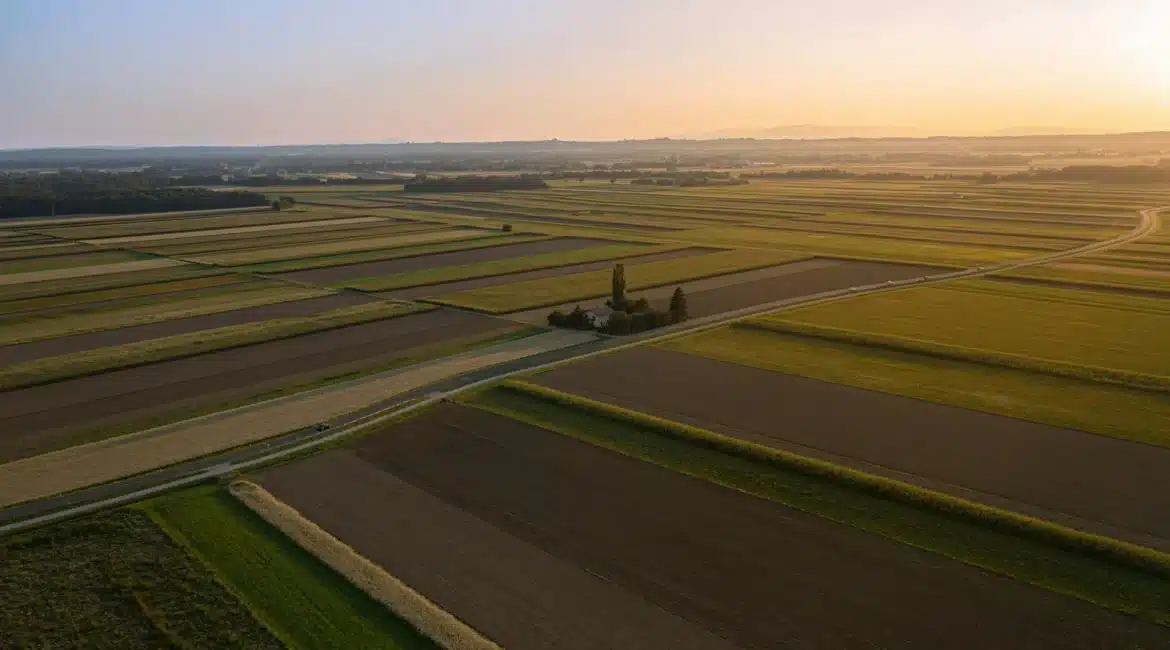
The region considered the poorest in Slovenia is Prekmurje. Located in the northeastern part of the country, Prekmurje is bordered by Austria, Hungary, and Croatia. Historically, Prekmurje was part of the Kingdom of Hungary until the end of World War I, after which it became part of the Kingdom of Serbs, Croats, and Slovenes (later Yugoslavia). This historical separation has influenced its cultural and economic development.
Prekmurje’s history is marked by a distinct cultural identity, shaped by its diverse population and unique traditions. During its time under Hungarian rule, the region developed its own dialect, cuisine, and customs, which are still evident today. The Treaty of Trianon in 1920 formalized Prekmurje’s incorporation into the Kingdom of Serbs, Croats, and Slovenes, leading to significant political and social changes. Despite these transitions, the region remained predominantly rural and agrarian, with limited industrial development.
Economic Status of Prekmurje
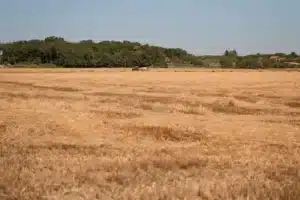
Prekmurje is known for its agricultural landscape, with farming being a significant part of its economy. Despite its natural beauty and rich cultural heritage, Prekmurje faces economic challenges that set it apart from other Slovenian regions.
Gross Domestic Product (GDP): Prekmurje has one of the lowest GDPs per capita in Slovenia. The region’s economy is primarily driven by agriculture, small-scale industry, and tourism. However, the lack of industrialization and modern infrastructure has hindered its economic growth. According to recent data, Prekmurje’s GDP per capita is approximately 30% lower than the national average, reflecting its economic struggles.
Income Levels: The average income in Prekmurje is lower than the national average. This disparity is evident in the standard of living, with many residents earning wages below the national median. The lower income levels contribute to higher poverty rates and limit economic opportunities for the population. In 2022, the average monthly gross salary in Prekmurje was around €1,300, compared to the national average of €1,800.
Poverty Rate: Prekmurje has the highest poverty rate in Slovenia. A significant portion of the population lives below the poverty line, struggling to meet basic needs. The region’s economic challenges are exacerbated by a lack of job opportunities and inadequate social services. According to the Statistical Office of the Republic of Slovenia, approximately 17% of Prekmurje’s population is at risk of poverty or social exclusion, compared to the national average of 12%.
Comparing Prekmurje with Other Slovenian Regions
To understand the economic disparity, it’s essential to compare Prekmurje with other regions in Slovenia.
Central Slovenia: Central Slovenia, including the capital city Ljubljana, boasts the highest GDP per capita. The region is a hub for business, education, and tourism, leading to higher income levels and a lower poverty rate compared to Prekmurje. In 2022, Central Slovenia’s GDP per capita was nearly double that of Prekmurje, reflecting significant economic advantages.
Coastal-Karst Region: The Coastal-Karst region benefits from its proximity to the Adriatic Sea, attracting tourists and boosting the local economy. The region’s income levels are higher, and its GDP per capita is significantly above the national average. The tourism industry in this region contributes substantially to its economic prosperity, with popular destinations like Piran and Portorož drawing international visitors.
Gorenjska: Known for its alpine resorts and tourism, Gorenjska has a robust economy driven by both agriculture and tourism. The region enjoys lower poverty rates and higher average incomes. With its picturesque mountains and thriving winter sports industry, Gorenjska attracts both domestic and international tourists, significantly boosting the local economy.
 Addressing Poverty in Prekmurje
Is there a lot of poverty in Slovenia? While Slovenia is generally considered a high-income country with a relatively low overall poverty rate, regions like Prekmurje highlight the economic disparities within the country. Addressing poverty in Prekmurje requires a multifaceted approach:
Economic Diversification: Encouraging investment in diverse industries such as technology, renewable energy, and tourism can create more job opportunities and stimulate economic growth. Diversification is crucial for reducing Prekmurje’s reliance on agriculture and providing alternative income sources for its residents.
Infrastructure Development: Improving infrastructure, including transportation and digital connectivity, can attract businesses and tourists, further boosting the local economy. Upgrading roads, railways, and internet access will make Prekmurje more accessible and appealing for investors and visitors alike.
Education and Training: Investing in education and vocational training programs can equip residents with skills needed for higher-paying jobs, reducing the income gap. Enhanced educational opportunities will prepare the local workforce for emerging industries and help retain young talent in the region.
Government Support: Targeted government programs and subsidies can support struggling families, providing them with the resources needed to improve their living conditions. Social welfare programs, tax incentives for businesses, and grants for local projects can play a significant role in alleviating poverty.
The Role of Tourism in Prekmurje’s Economy
Tourism presents a significant opportunity for economic growth in Prekmurje. The region’s natural beauty, including the Mura River and numerous thermal spas, attracts visitors seeking a peaceful retreat. Promoting sustainable tourism can help preserve the region’s natural resources while providing economic benefits.
Eco-Tourism: Developing eco-tourism initiatives can attract environmentally conscious travelers, creating jobs and generating income for local communities. Eco-friendly accommodations, guided nature tours, and conservation projects can enhance Prekmurje’s appeal as a sustainable destination.
Cultural Heritage: Prekmurje’s rich cultural heritage, including traditional cuisine, festivals, and historical sites, can be leveraged to attract tourists and stimulate economic activity. Promoting local crafts, folklore, and culinary experiences will offer visitors a unique insight into the region’s history and traditions.
Agritourism: Promoting agritourism allows visitors to experience rural life and local agricultural practices, providing farmers with additional income streams. Farm stays, wine tours, and hands-on agricultural activities can diversify the region’s tourism offerings and support local agriculture.
Success Stories from Similar Regions
Learning from regions that have successfully overcome economic challenges can provide valuable insights for Prekmurje. For example, the region of South Tyrol in Italy, which faced similar economic difficulties, has transformed its economy through targeted investments in tourism, agriculture, and small businesses. By promoting its unique cultural heritage and leveraging its natural beauty, South Tyrol has significantly reduced poverty and increased its GDP per capita.
Conclusion
Prekmurje, Slovenia’s poorest region, faces significant economic challenges due to its reliance on agriculture, historical isolation, and lack of industrial development. These factors contribute to its lower GDP, income levels, and higher poverty rates compared to other regions.
Addressing these issues requires a comprehensive approach, including economic diversification, infrastructure development, education, and government support. Leveraging Prekmurje’s natural beauty and cultural heritage through tourism can also provide economic benefits.
While Slovenia generally enjoys a high standard of living, regions like Prekmurje highlight the need for targeted efforts to reduce economic disparities. With strategic investments and a focus on sustainable development, Prekmurje has the potential to transform its economy and improve the quality of life for its residents.
