
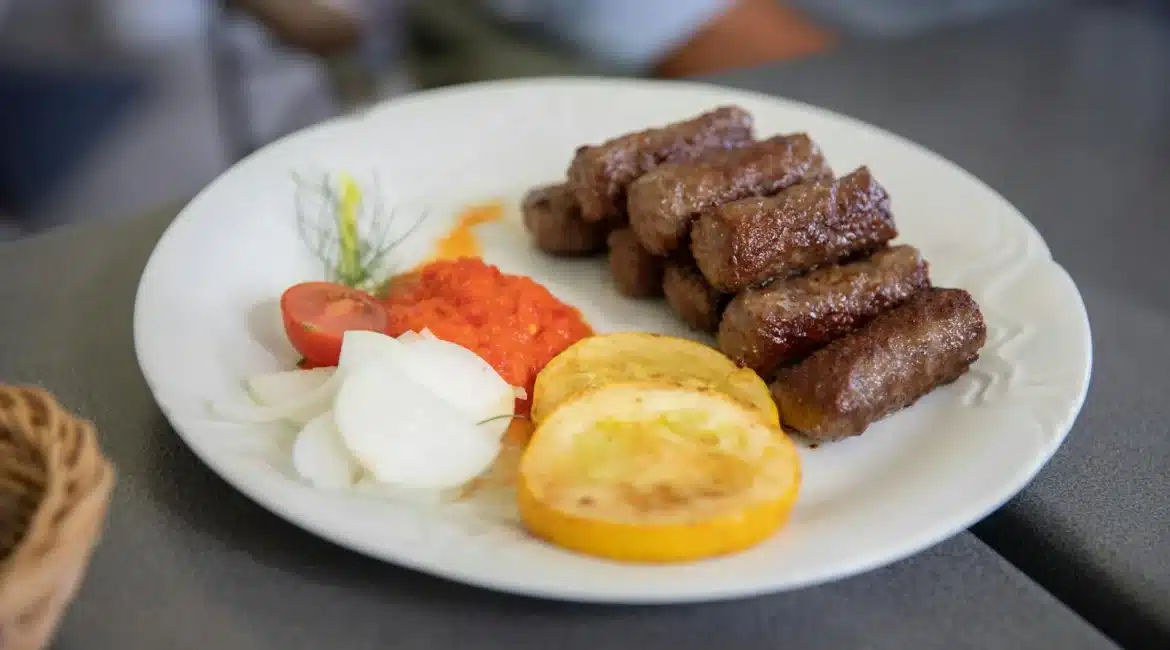
Slovenian cuisine, a delightful fusion of diverse culinary influences, offers a rich and unique gastronomic experience. Nestled between Italy, Austria, Hungary, and Croatia, Slovenia’s food reflects its geographic and cultural crossroads. This article explores the essence of Slovenian food, its taste, common ingredients, preparation methods, and how it compares to other European cuisines. We’ll also delve into the top traditional Slovenian dishes, and the best times to enjoy them.
The Taste of Slovenian Food
Slovenian food is known for its hearty, flavorful, and often rustic taste. The cuisine is characterized by a blend of savory and sweet flavors, influenced by its neighboring countries. Slovenians cherish their traditional recipes, many of which have been passed down through generations. The taste can range from the rich, smoky flavors of meats and sausages to the delicate sweetness of pastries and desserts. Each region in Slovenia has its specialties, adding to the culinary diversity. For example, the coastal regions feature Mediterranean influences with lighter, olive oil-based dishes, while the Alpine regions favor heavier, meat-centric meals.
Common Ingredients in Slovenian Cuisine
Slovenian food utilizes a variety of fresh, local ingredients. Some of the most common include:
- Meats: Pork, beef, poultry, and game meats like venison and rabbit are staples. These meats are often smoked, cured, or roasted to enhance their flavors.
- Dairy: Cheese, butter, and cream are widely used, with unique varieties like Bovec cheese and Tolminc cheese. Dairy products play a crucial role in many traditional dishes and desserts.
- Grains: Buckwheat, barley, and cornmeal are frequently used in bread, polenta, and porridge. Buckwheat is particularly popular in dishes like žganci and buckwheat porridge.
- Vegetables: Potatoes, cabbage, beans, and root vegetables are common. These vegetables are often featured in soups, stews, and side dishes.
- Fruits: Apples, pears, plums, and berries are popular, with Slovenia particularly known for its apples. Fruits are used in both sweet and savory dishes.
- Herbs and Spices: Parsley, garlic, marjoram, and caraway seeds are frequently used to season dishes. These herbs and spices contribute to the distinct flavor profiles of Slovenian cuisine.
Preparation and Cooking Methods
Slovenian cuisine involves various traditional cooking methods, including:
- Slow Cooking: Stews and soups are often slow-cooked to develop deep flavors. This method is commonly used for dishes like jota and bograč, a rich meat stew.
- Baking: Bread and pastries are commonly baked, with unique varieties like potica, a rolled pastry filled with nuts, poppy seeds, or cottage cheese. Baking is also used for savory dishes like štruklji.
- Grilling and Roasting: Meats and vegetables are frequently grilled or roasted to enhance their natural flavors. This method is particularly popular for dishes like kranjska klobasa and roast pork.
- Pickling and Fermentation: Preserving vegetables and fruits through pickling and fermentation is a common practice, providing tangy and flavorful side dishes. Sauerkraut and pickled turnips are traditional Slovenian accompaniments.
Comparison with Other European Cuisines
Slovenian food shares similarities with its neighboring cuisines but maintains its distinct identity. It combines the hearty, meat-centric dishes of Central Europe with the Mediterranean influence of fresh vegetables and olive oil. Compared to Italian cuisine, Slovenian food is less focused on pasta and more on grains like buckwheat and barley. The use of dairy and smoked meats is reminiscent of Austrian and Hungarian cuisines, yet with unique Slovenian twists. For instance, while Italian cuisine is celebrated for its diverse pasta dishes, Slovenian cuisine highlights its grain-based dishes like žganci and polenta.
Top Traditional Slovenian Foods
- Potica: A festive rolled pastry filled with walnut, poppy seed, or cottage cheese. Potica is often enjoyed during holidays and celebrations. It is a symbol of Slovenian culinary heritage and requires skill and patience to prepare.
- Kranjska Klobasa: A traditional Carniolan sausage made from pork, bacon, and spices. It’s usually grilled or boiled and served with sauerkraut and mustard. This sausage has a protected geographical indication, highlighting its cultural significance.
- Prekmurska Gibanica: A layered pastry from the Prekmurje region, filled with poppy seeds, walnuts, apples, raisins, and cottage cheese. This dessert is rich and decadent, representing the diverse cultural influences in Slovenian cuisine.
- Žganci: A traditional buckwheat or cornmeal porridge, often served with sour milk or meat stews. It’s a staple comfort food, particularly popular in rural areas.
- Jota: A hearty stew made with sauerkraut, beans, potatoes, and pork. It’s perfect for cold winter days and reflects the influence of Central European cuisines.
- Štruklji: Rolled dumplings filled with cottage cheese, walnuts, or tarragon. They can be boiled or baked and served as a main dish or dessert. Štruklji is versatile and can be adapted with various fillings and preparations.
- Idrijski Žlikrofi: Small dumplings filled with potato, bacon, and spices, typically served with meat dishes or stews. This dish is a testament to the ingenuity of Slovenian home cooking.
When to Best Enjoy Slovenian Food
Slovenian food can be enjoyed year-round, with specific dishes often associated with certain seasons or occasions:
- Winter: Hearty stews like jota and žganci are perfect for warming up during the cold months. These dishes are rich in calories and nutrients, providing sustenance during harsh weather.
- Spring and Summer: Fresh salads, grilled meats, and fruit-based desserts are ideal for the warmer weather. Seasonal fruits and vegetables are at their peak, enhancing the flavors of these dishes.
- Holidays and Festivals: Festive dishes like potica and prekmurska gibanica are traditional during Christmas, Easter, and other celebrations. These occasions are marked by elaborate meals that showcase the best of Slovenian cuisine.
Slovenian Breakfast: What Locals Eat
Slovenian breakfast is typically simple and nutritious, often consisting of bread, butter, and homemade jams or honey. Dairy products like yogurt and cheese are common, along with fresh fruits and eggs. In rural areas, a more substantial breakfast might include cold cuts, sausages, and hearty porridge. Traditional Slovenian breakfast items reflect the country’s agricultural roots, emphasizing fresh and local ingredients.
 What Fruit is Slovenia Known For?
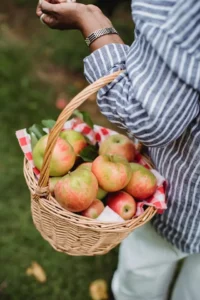
Slovenia is particularly known for its apples, which thrive in the country’s temperate climate. Other notable fruits include pears, plums, and various berries. Apples are not only enjoyed fresh but also used in traditional dishes and desserts, such as apple strudel and various cakes. The country’s fertile soil and favorable growing conditions make Slovenian fruits exceptionally flavorful and nutritious.
What is the Best Slovenian Food?
Determining the best Slovenian food is subjective and often depends on personal taste. However, potica and kranjska klobasa are frequently highlighted as must-try dishes for their cultural significance and delicious flavors. Both showcase the traditional culinary techniques and ingredients that define Slovenian cuisine. Potica’s intricate preparation and kranjska klobasa’s robust taste make them standout dishes that represent the heart of Slovenian cooking.
Conclusion
Slovenian food offers a delightful journey through a rich culinary heritage influenced by its diverse geographic neighbors. From hearty stews and sausages to delicate pastries and fresh fruits, Slovenian cuisine provides a unique and flavorful experience. Whether you’re enjoying a simple Slovenian breakfast or indulging in festive potica, each dish tells a story of tradition and culture. By exploring Slovenian food, you’ll not only satisfy your taste buds but also gain a deeper appreciation for the country’s vibrant culinary landscape. Embrace the flavors of Slovenia and discover the warmth and richness of its gastronomic traditions.
