
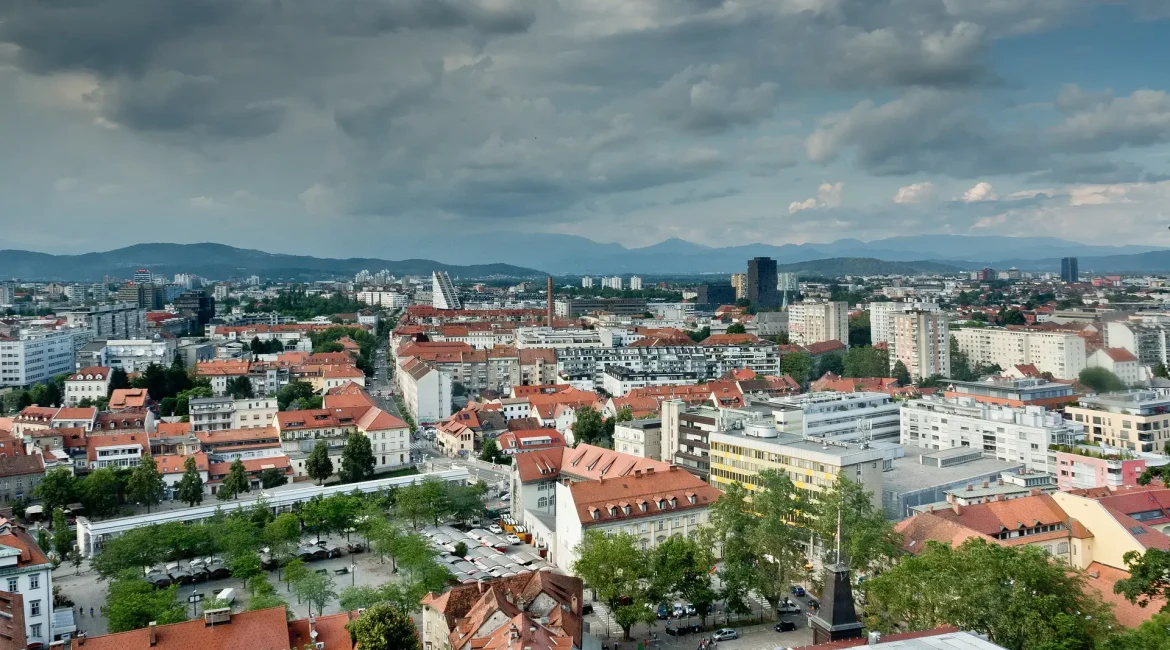
When comparing the wealth of Slovenia and Croatia, several key factors such as GDP per capita, cost of living, inflation rates, unemployment rates, and average income come into play. Both countries emerged from the former Yugoslavia, but their economic paths have diverged. Let’s explore their financial metrics to determine which country is richer.
Slovenia vs. Croatia: An Overview
Slovenia and Croatia, located in Central and Southeast Europe respectively, share a complex history and cultural ties. However, their economic landscapes are quite different. Slovenia, known for its stability and integration into Western Europe, often ranks higher in terms of development and wealth compared to its southern neighbor, Croatia.
Is Slovenia a Rich or Poor Country?
Slovenia is widely regarded as a relatively wealthy country within the European Union. As of the latest data, Slovenia’s GDP per capita stands at approximately $29,000, placing it among the more affluent nations in Eastern Europe. The country has a diversified economy, with strong sectors in manufacturing, services, and exports. Slovenia’s wealth is also reflected in its high standard of living, advanced infrastructure, and well-developed welfare system.
Is Croatia a Rich or Poor Country?
On the other hand, Croatia, while considered a developing country, is often viewed as less affluent than Slovenia. Croatia’s GDP per capita is about $18,000, significantly lower than that of Slovenia. Although Croatia boasts a beautiful Adriatic coastline and a thriving tourism industry, its economy is less diversified, and the country has faced more significant economic challenges, including higher unemployment rates and slower economic growth.
GDP per Capita: Slovenia vs. Croatia
GDP per capita is a crucial indicator of a country’s economic health and average wealth. In this regard, Slovenia consistently outperforms Croatia.
Slovenia’s GDP per Capita: As of the latest estimates, Slovenia’s GDP per capita is around $29,000. This figure reflects the country’s strong industrial base, efficient export sector, and high levels of productivity.
Croatia’s GDP per Capita: Croatia’s GDP per capita is approximately $18,000. While tourism significantly contributes to the GDP, the country still struggles with lower productivity levels in other sectors, which impacts overall wealth.
Slovenia’s Wealth Compared to Croatia’s
When comparing Slovenia’s wealth to Croatia’s, it’s clear that Slovenia is the richer of the two countries. This wealth disparity is evident in several economic indicators, including income levels, cost of living, and inflation rates. Slovenia’s more diversified economy and its integration into the European Union earlier than Croatia contributed to its relative affluence.
Cost of Living: Slovenia vs. Croatia
The cost of living is another critical factor to consider when comparing the economic well-being of Slovenia and Croatia. While Slovenia has a higher cost of living, it also offers higher wages, which generally balances out the financial pressure on its citizens.
Slovenia: The cost of living in Slovenia is relatively high compared to other Eastern European countries. Ljubljana, the capital, is one of the most expensive cities in the region. However, higher salaries and social benefits in Slovenia ensure that the average citizen can maintain a decent standard of living. Basic goods, housing, and services are pricier in Slovenia than in Croatia, but so are the quality and availability of these services.
Croatia: Croatia has a lower cost of living, particularly in rural areas. However, wages in Croatia are also lower, and the country faces issues with underemployment and regional economic disparities. Major cities like Zagreb and coastal areas popular with tourists may see a higher cost of living, but overall, Croatia remains more affordable than Slovenia.
Inflation Rate: Slovenia vs. Croatia
Inflation rates directly impact the purchasing power of citizens in any country. In recent years, both Slovenia and Croatia have experienced inflation, but Slovenia has managed to keep it under better control.
Slovenia: Slovenia has maintained a moderate inflation rate, typically around 2-3% in recent years. The country’s economic policies, stable currency (the Euro), and integration into the EU have helped to moderate inflation, ensuring that the cost of goods and services does not rise too quickly.
Croatia: Croatia, using the Croatian Kuna (until its recent transition to the Euro in 2023), has faced higher inflation rates, often fluctuating more than in Slovenia. In the past few years, inflation has been a more significant issue in Croatia, with rates occasionally exceeding 4%, impacting the cost of living and reducing the real income of its citizens.
Unemployment Rate: Slovenia vs. Croatia
Unemployment is a critical factor in assessing a country’s economic health, as it directly influences the average income and overall economic stability.
Slovenia: Slovenia enjoys a relatively low unemployment rate, hovering around 4-5% in recent years. This low unemployment rate is a testament to the country’s robust economy and effective labor policies. Slovenia’s well-developed industrial sector, especially in automotive and pharmaceuticals, provides numerous job opportunities.
Croatia: Croatia, however, struggles with a higher unemployment rate, particularly among young people. In recent years, the unemployment rate in Croatia has been around 7-9%, significantly higher than in Slovenia. This higher rate is due in part to Croatia’s less diversified economy and the significant economic impact of seasonal fluctuations in tourism.
Average Income: Slovenia vs. Croatia
Average income levels provide insight into the standard of living and the economic well-being of a country’s citizens.
Slovenia: The average monthly income in Slovenia is approximately €1,300 ($1,500), reflecting the country’s relatively high level of wealth. Slovenia’s higher wages are supported by its stronger economy and higher productivity levels.
Croatia: In contrast, the average monthly income in Croatia is around €900 ($1,050). While this is lower than Slovenia, it is still decent compared to other countries in the region. However, the lower average income reflects the economic challenges Croatia faces, including higher unemployment and lower GDP per capita.
 Is Slovenia More Developed Than Croatia?
Given the various economic indicators discussed, it is evident that Slovenia is more developed than Croatia. Slovenia’s higher GDP per capita, lower unemployment rate, higher average income, and more stable inflation rate all point to a more developed economy. Slovenia’s early integration into the European Union and its diversified economy have helped it achieve a higher level of development compared to Croatia, which continues to face economic challenges.
Conclusion
In the debate over whether Slovenia or Croatia is richer, the data clearly indicates that Slovenia has the edge. With a higher GDP per capita, lower unemployment rate, and higher average income, Slovenia outpaces Croatia in several key economic areas. While Croatia has made progress, especially in tourism, Slovenia’s diversified economy and stable growth make it the richer and more developed of the two.
Understanding the economic differences between these two nations is crucial for anyone considering investment, relocation, or simply wanting to understand the region’s economic dynamics. Although Croatia has its strengths, particularly in tourism, Slovenia’s diversified economy and stable growth make it the richer and more developed of the two countries.
