Slovenia, a charming gem in Central Europe, offers travelers not only stunning landscapes and rich history but also an interesting time zone that often piques curiosity. In this comprehensive guide, we’ll delve into Slovenia’s time zone details, explore its relationship with other time zones, and provide useful travel tips and insights into the country’s attractions and accommodations.
Slovenia’s Time Zone Overview
Slovenia is situated in Central Europe, and its time zone is Central European Time (CET). CET is 1 hour ahead of Coordinated Universal Time (UTC+1). During the summer months, Slovenia observes Central European Summer Time (CEST), which is UTC+2. This seasonal adjustment allows for longer daylight hours and is commonly used across many European countries to make better use of natural daylight.
Is Slovenia in the CET Time Zone?
Yes, Slovenia is indeed in the CET time zone. This time zone is used by many Central European countries, including Germany, Italy, and France. CET operates 1 hour ahead of GMT (Greenwich Mean Time), meaning that when it is noon GMT, it is 1 PM CET in Slovenia.
Is Slovenia Same Time as the UK?
No, Slovenia is not the same time as the UK. The UK operates on GMT during standard time and British Summer Time (BST) during the summer months, which is GMT+1. When Slovenia is observing CET (UTC+1), it is 1 hour ahead of the UK. During the summer, when the UK moves to BST (UTC+1), the time difference remains the same. Therefore, Slovenia is consistently 1 hour ahead of the UK throughout the year.
What GMT Zone is Slovenia In?
Slovenia is in GMT+1 during standard time, which aligns with its CET time zone. This means that Slovenia is 1 hour ahead of GMT. When daylight saving time is in effect and Slovenia switches to CEST (UTC+2), it is 2 hours ahead of GMT.
What is UTC Time in Slovenia?
The UTC time in Slovenia is UTC+1 during standard time and UTC+2 during daylight saving time. This adjustment is essential for coordinating activities with other regions and countries, particularly for travelers and business professionals working across different time zones.
Historical Context and Time Zone Evolution
Slovenia’s time zone history reflects its geopolitical changes. Before gaining independence from Yugoslavia in 1991, Slovenia was part of the time zone system used by the former Yugoslavia. Post-independence, Slovenia adopted CET to align with most of Central Europe, facilitating travel and business relations within the European Union.
 Attractions and Travel Tips
Slovenia, with its rich cultural heritage and natural beauty, is a must-visit destination. Here are some highlights and tips for travelers:
Ljubljana: The capital city is known for its charming old town, picturesque bridges, and vibrant cultural scene. The Ljubljana Castle offers panoramic views of the city and is a great spot to explore.
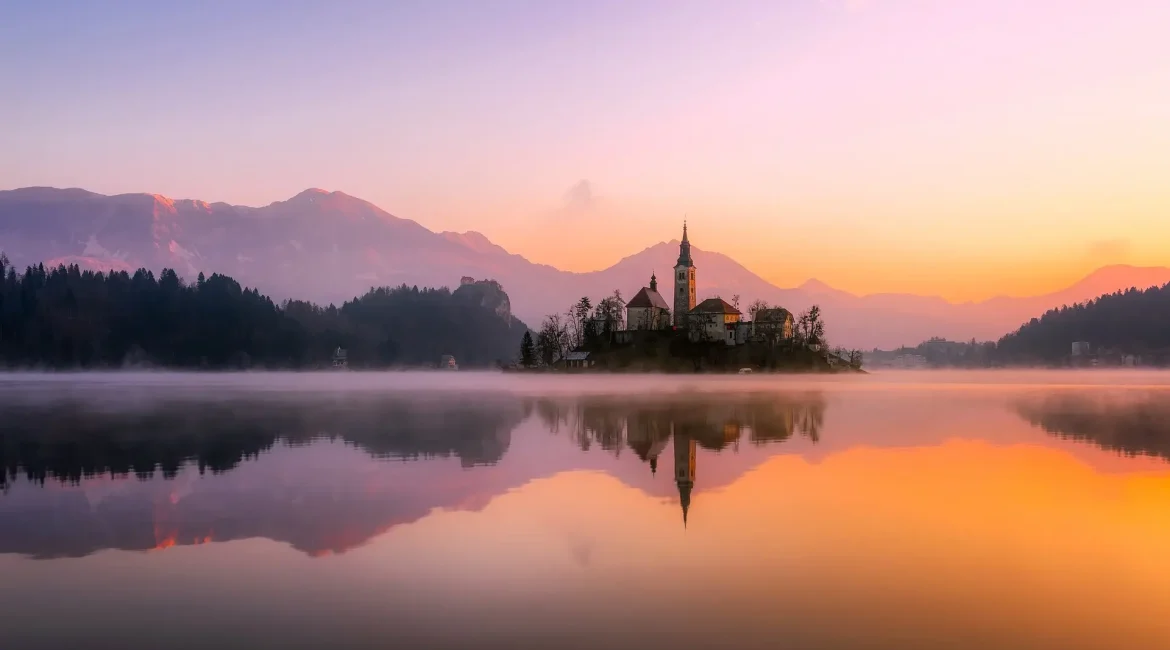
Lake Bled: This stunning lake with its iconic island church and medieval castle is a popular destination for outdoor enthusiasts and photographers. The lake’s pristine waters and surrounding landscapes make it a serene escape.
Triglav National Park: Ideal for hiking and nature lovers, this park is home to Slovenia’s highest peak, Mount Triglav. The park offers diverse landscapes, from alpine meadows to deep gorges.
Postojna Cave: A must-see for adventure seekers, this extensive cave system features impressive stalactites, stalagmites, and an underground train that takes visitors through the cavern.
Accommodation and Practical Tips
When traveling to Slovenia, choosing the right accommodation can enhance your experience. Here are some tips:
Hotels: Ljubljana and other major cities offer a range of hotels from luxurious to budget-friendly. Look for accommodations that provide convenient access to local attractions and public transportation.
Guesthouses and B&Bs: For a more intimate experience, consider staying in guesthouses or bed and breakfasts. These often offer a personal touch and local insights.
Travel Essentials: Ensure that you adjust your watches and devices to Slovenia’s time zone upon arrival. It’s also helpful to have a basic understanding of the local language and currency, the Euro (€).
 Conclusion
Understanding Slovenia’s time zone is crucial for effective travel planning and coordination, whether for business or leisure. As a country situated in the CET time zone, Slovenia is consistently 1 hour ahead of GMT and maintains this difference relative to the UK throughout the year. Whether you’re exploring Ljubljana, admiring the beauty of Lake Bled, or delving into the wonders of Postojna Cave, knowing the local time zone can help you make the most of your visit. Enjoy your trip to Slovenia, where historical charm and natural splendor await!
Feel free to reach out if you need more travel tips or information about Slovenia.
