Slovenia, a small yet picturesque country nestled in Central Europe, has garnered attention not only for its breathtaking landscapes and rich cultural heritage but also for its impressive economic achievements. This article delves into Slovenia’s status as a wealthy nation, exploring its average income, economic development, and the factors contributing to its prosperity.
Overview of Slovenia’s Economic Landscape
Slovenia’s economy has undergone significant transformations since gaining independence from Yugoslavia in 1991. Once a relatively modest part of a larger federation, Slovenia has evolved into a developed country with a robust economic framework. Today, Slovenia stands out as a model of economic success in the region, reflecting its effective policies and strategic advantages.
Average Income in Slovenia
One of the key indicators of a country’s wealth is its average income. In Slovenia, the average gross monthly salary is approximately €2,000. This figure places Slovenia among the higher-income nations in Central Europe. The relatively high income level contributes to a strong standard of living, which is evident in the country’s well-developed infrastructure and public services.
Slovenia’s Development Status
Slovenia is classified as a developed country. This status is attributed to several factors, including its high-income economy, advanced infrastructure, and well-established institutions. Slovenia ranks highly on various global indices, including those measuring economic freedom, quality of life, and ease of doing business.
The country’s development is supported by its membership in the European Union and the Eurozone, which has facilitated trade, investment, and economic stability. Slovenia’s developed status is also reflected in its strong healthcare system, comprehensive education sector, and high levels of innovation.
The Economy of Slovenia
Slovenia’s economy is diverse and dynamic, with key sectors including manufacturing, services, and trade. The country is known for its robust industrial sector, which encompasses automotive, electronics, and machinery production. Additionally, Slovenia has a growing service industry, particularly in finance, tourism, and information technology.
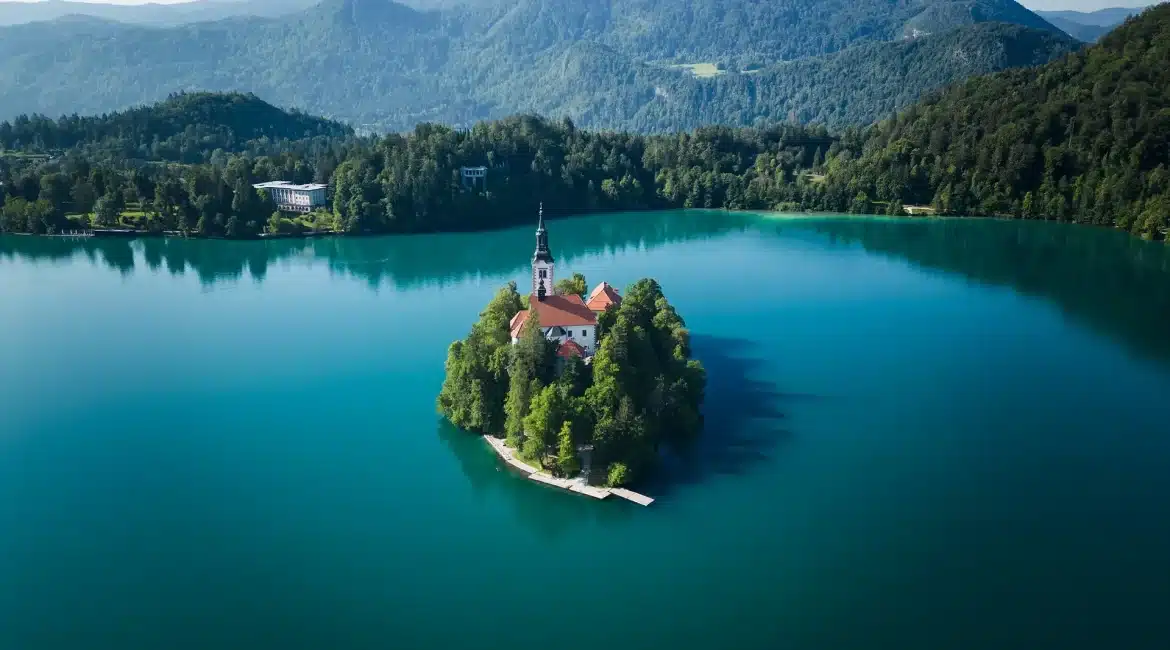
Tourism plays a significant role in Slovenia’s economy, attracting visitors with its natural beauty, historic sites, and vibrant culture. The country’s strategic location in Europe makes it an appealing destination for travelers and investors alike. Slovenia’s economic policies have been designed to promote sustainable growth, innovation, and competitiveness, contributing to its overall wealth and prosperity.
Slovenia’s Wealth Rating
Slovenia’s wealth rating is indicative of its economic health and stability. According to various financial reports and international assessments, Slovenia is often ranked favorably in terms of wealth and economic performance. The country’s GDP per capita is a notable measure of its economic well-being, reflecting the average economic output per person.
The Slovenian economy has demonstrated resilience and adaptability, particularly in the face of global economic fluctuations. Its stable financial system, prudent fiscal policies, and strategic investments have bolstered its wealth rating, making Slovenia a prominent player in the regional economy.
How Did Slovenia Become Rich?
Slovenia’s journey to becoming a wealthy country is a result of several key factors and strategic decisions:
Economic Reforms and Transition: After gaining independence, Slovenia embarked on a series of economic reforms aimed at transitioning from a socialist economy to a market-based system. These reforms included privatization of state-owned enterprises, liberalization of trade, and implementation of market-friendly policies.
EU Membership and Integration: Slovenia’s accession to the European Union in 2004 and the Eurozone in 2007 played a crucial role in its economic development. EU membership provided access to a larger market, facilitated foreign investment, and enhanced economic stability.
Investment in Education and Innovation: Slovenia has invested significantly in education and research, fostering a skilled workforce and promoting innovation. The emphasis on education has contributed to the development of high-tech industries and a knowledge-based economy.
Strategic Location and Infrastructure: Slovenia’s central location in Europe has been advantageous for trade and logistics. The country has developed a strong infrastructure network, including modern transportation systems and efficient logistics hubs, which supports its economic activities.
Tourism and Natural Resources: Slovenia’s natural beauty and cultural heritage have made it an attractive destination for tourists. The tourism industry has generated substantial revenue and employment opportunities, contributing to the country’s wealth.
 Conclusion
Slovenia’s status as a wealthy country is the result of its successful economic transition, strategic policies, and investments in key sectors. With a high average income, developed infrastructure, and a robust economy, Slovenia stands out as a model of prosperity in Central Europe. The country’s journey to wealth is a testament to its resilience, adaptability, and forward-thinking approach to economic development.
Whether you are interested in Slovenia’s economic achievements or considering it as a travel destination, the country’s wealth and prosperity offer valuable insights into its dynamic and evolving landscape. Slovenia’s success story highlights the importance of strategic planning, investment in human capital, and the benefits of regional integration in achieving economic prosperity.
