Slovenia, a charming and strategically located country in Central Europe, boasts a robust economy characterized by its diverse industries and thriving sectors. Understanding Slovenia’s main sources of income provides valuable insights into its economic structure and growth. In this article, we will delve into the primary contributors to Slovenia’s income, explore key industries, and assess how various factors influence the nation’s economic success. We’ll also compare Slovenia’s economic performance with its European counterparts and discuss future economic trends.
Slovenia’s Economic Overview
Slovenia’s economy is a dynamic blend of industry, services, and trade, supported by a high standard of living and a well-developed infrastructure. As of 2024, Slovenia’s Gross Domestic Product (GDP) is approximately $70 billion, with a GDP per capita of around $33,000, reflecting a prosperous and well-integrated economy. The country’s economic structure is balanced, with significant contributions from manufacturing, services, and trade.
Slovenia’s Main Sources of Income
Slovenia boasts a diverse economy with several key sources of income. From its thriving industrial sector to its booming tourism industry, Slovenia has cultivated a range of economic drivers. This overview delves into the primary sources of income that fuel the nation’s economy, providing insights into how each sector contributes to Slovenia’s financial health and overall prosperity.
1. Manufacturing and Industry
Manufacturing plays a pivotal role in Slovenia’s economic landscape. This sector includes a variety of industries, from automotive to machinery and electronics. The automotive industry is particularly significant, with major international players like Renault operating substantial manufacturing facilities in Slovenia. The sector is a major contributor to Slovenia’s exports, generating substantial revenue and providing numerous jobs.
In addition to automotive manufacturing, Slovenia excels in producing machinery and equipment, including high-tech electronics. These products are in high demand both domestically and internationally. For instance, Slovenian-made machines and vehicles are exported to numerous countries, underscoring the importance of the manufacturing sector in driving Slovenia’s economic growth.
2. Services Sector
The services sector is a cornerstone of Slovenia’s economy, accounting for approximately 60% of its GDP. This sector encompasses a wide range of activities, including finance, insurance, real estate, and business services. Ljubljana, the capital city, serves as the country’s financial and business hub, hosting numerous international firms and financial institutions.
The growth of Slovenia’s services sector reflects its successful integration into the global economy. The country has developed a reputation for its efficient business environment and high-quality services, which attract foreign investment and contribute to economic stability.
3. Trade and Exports
Trade is a vital component of Slovenia’s economic framework, with exports playing a significant role in its financial health. The country’s strategic location in Central Europe positions it as a crucial trade link between Western and Eastern Europe. Slovenia’s biggest export is machinery and equipment, which includes vehicles, electrical appliances, and industrial machinery.
In 2023, Slovenia’s exports were valued at approximately $40 billion, highlighting the significance of trade in its economy. The country’s export-oriented approach has helped it build strong economic ties with various global markets, contributing to sustained economic growth.
4. Tourism
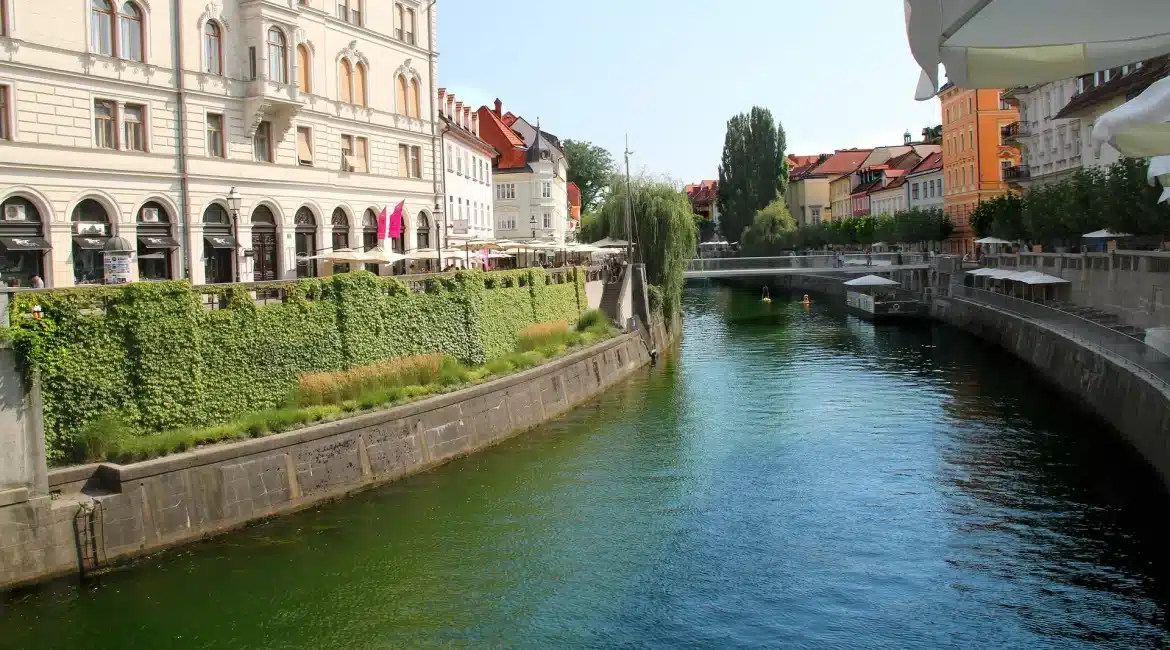
Tourism is another essential source of income for Slovenia. Known for its picturesque landscapes, historic sites, and vibrant cities, Slovenia attracts a growing number of international visitors each year. Major tourist destinations include Lake Bled, Ljubljana, and the Julian Alps, each offering unique experiences that draw travelers from around the world.
The tourism sector contributes around 4% to 5% of Slovenia’s GDP. The sector’s growth is driven by the country’s natural beauty, cultural heritage, and hospitality. As global travel increases, Slovenia’s tourism industry is expected to continue expanding, further bolstering its economic contributions.
 Slovenia’s Main Industries
Several key industries are instrumental in Slovenia’s economic success:
Automotive Industry
Slovenia’s automotive sector is a major economic driver. Companies like Renault have significant manufacturing operations in the country, contributing to both domestic employment and international exports. This sector’s strength lies in its advanced technology and high-quality production standards.
Pharmaceuticals and Chemicals
Slovenia is home to a robust pharmaceutical and chemical industry. Leading companies like Krka and Lek are renowned for their high-quality products and global reach. The industry’s success is attributed to its innovation and research capabilities, making it a crucial part of Slovenia’s economy.
Information Technology and Electronics
The IT and electronics sector is rapidly growing in Slovenia. Companies such as Iskratel and Mikro+Polo are at the forefront of technological innovation, contributing to the country’s reputation as a hub for technology and electronics.
Slovenia’s Most Important Natural Resource
Among Slovenia’s natural resources, water is the most significant. The country is blessed with abundant freshwater resources, which play a crucial role in its energy and agricultural sectors. Slovenia harnesses hydroelectric power from its numerous rivers, making water a vital component of its energy strategy. Additionally, Slovenia’s clean water is essential for agriculture and contributes to the country’s overall environmental sustainability.
Comparative Analysis with European Neighbors
When comparing Slovenia’s economic performance with other similar-sized European countries, its stability and growth stand out. For instance, Slovenia’s GDP per capita is higher than that of some of its Central European neighbors, reflecting its strong economic performance. The country’s diversified economy and strategic location contribute to its competitive edge in the European market.
Future Economic Outlook
Looking ahead, Slovenia’s economy is expected to continue growing, driven by its strong industrial base, expanding services sector, and increasing trade. The country’s focus on innovation, technology, and sustainable practices will likely play a significant role in shaping its future economic landscape. As Slovenia integrates further into the European and global markets, its economic prospects remain positive, with continued opportunities for growth and development.
Conclusion
Slovenia’s economy is a dynamic blend of manufacturing, services, and trade, with significant contributions from its automotive, pharmaceuticals, and IT sectors. The country’s abundant water resources and strategic location further bolster its economic stability. With a robust export-oriented approach and a growing tourism sector, Slovenia is well-positioned for continued economic success. By understanding Slovenia’s main sources of income and key industries, we gain valuable insights into how this small yet vibrant nation maintains its economic prosperity and growth.
This comprehensive look at Slovenia’s economic structure and future outlook highlights the country’s diverse and resilient economy, offering a deeper appreciation of its role in the European and global economic landscape.
