
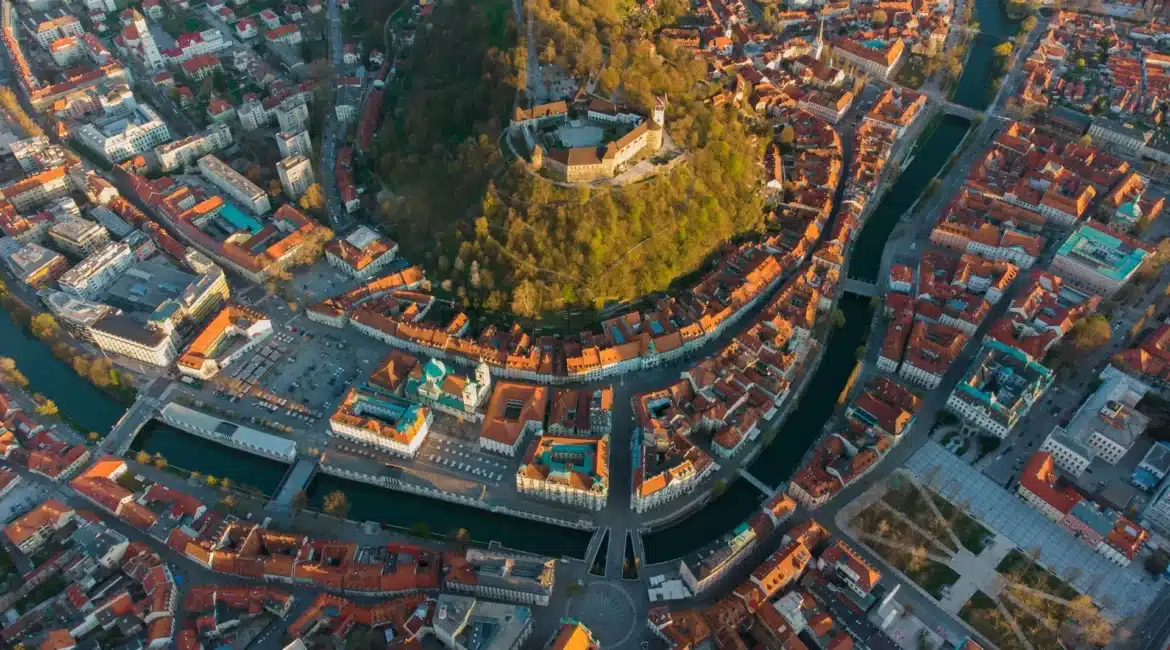
Slovenia, a picturesque country nestled in Central Europe, boasts a rich cultural heritage, stunning landscapes, and a strategic geographical location. Despite these attributes, Slovenia has experienced significant emigration throughout its history. Understanding the reasons behind this exodus requires delving into the historical, economic, and social contexts that have shaped the lives of Slovenians over the centuries. This article provides a detailed timeline and statistical analysis to explore why people left Slovenia and whether it is worth living in Slovenia today.
Historical Background of Slovenia
Slovenia’s history is marked by its strategic location at the crossroads of various empires and cultures. From the Roman Empire to the Austro-Hungarian Empire, Slovenia has been influenced by numerous powers, each leaving an indelible mark on its cultural and socio-economic landscape.
Roman Era to Middle Ages (1st century BC – 15th century AD)
Slovenia’s recorded history dates back to Roman times when the region was part of the Roman Empire. The fall of the Western Roman Empire saw Slovenia come under various rulers, including the Byzantines, Lombards, and Franks. By the late Middle Ages, it was integrated into the Holy Roman Empire and later the Habsburg Monarchy, under which it remained for centuries.
Austro-Hungarian Rule (16th century – 1918)
Under the Habsburg Monarchy, Slovenia experienced periods of relative stability but also faced political and economic challenges. The 19th century, in particular, saw rising nationalist sentiments and economic hardships that would later contribute to emigration waves.
Major Emigration Waves
Late 19th Century – Early 20th Century
The first significant wave of emigration from Slovenia began in the late 19th century. Economic hardships, such as poverty, unemployment, and lack of industrial development, drove many Slovenians to seek better opportunities abroad. The United States, in particular, became a popular destination, offering the promise of economic prosperity and a fresh start.
World War I and Interwar Period (1914-1940)
The aftermath of World War I and the dissolution of the Austro-Hungarian Empire led to further instability. The newly formed Kingdom of Serbs, Croats, and Slovenes (later Yugoslavia) struggled with internal conflicts and economic difficulties. Many Slovenians, particularly those affected by the war and its economic aftermath, emigrated to countries like Canada, Australia, and Argentina.
World War II and Post-War Era (1941-1991)
World War II and the subsequent establishment of communist Yugoslavia under Josip Broz Tito brought about another wave of emigration. Political repression, lack of freedoms, and economic difficulties under the communist regime led many Slovenians to flee, seeking refuge in Western Europe and North America. This period also saw a significant number of political refugees and dissidents leaving the country.
Post-Independence Period (1991-Present)
Slovenia gained independence from Yugoslavia in 1991, marking the beginning of a new era. The transition to a market economy and integration into the European Union in 2004 brought significant economic growth and stability. However, the global financial crisis of 2008 and subsequent economic challenges led to another wave of emigration, particularly among the younger population seeking better job opportunities in other EU countries.
Reasons for Emigration
Slovenian emigration has been influenced by various historical, economic, and social factors. Many Slovenians have left their homeland in search of better economic opportunities, political stability, and personal freedom. Let’s explore the main reasons behind this emigration, offering a concise overview of what has driven Slovenians to seek new lives abroad.
Economic Factors
Economic hardships have been a consistent driving force behind Slovenian emigration. Whether it was the agricultural crises of the 19th century, industrial underdevelopment, or the economic instability of the post-Yugoslav era, many Slovenians left in search of better economic prospects. The global financial crisis of 2008 had a particularly profound impact, leading to high unemployment rates and economic uncertainty that prompted many, especially the youth, to emigrate.
Political Factors
Political instability, particularly during and after World War II, played a significant role in emigration. The establishment of a communist regime in Yugoslavia led to political repression, lack of freedoms, and persecution of political dissidents. Many Slovenians fled to escape these conditions, seeking refuge in more democratic and stable countries.
Social Factors
Social factors, including the desire for better educational opportunities, improved quality of life, and reunification with family members who had emigrated earlier, also contributed to the emigration waves. The prospect of higher education and better living standards in countries like the United States, Canada, and Western Europe was a significant pull factor for many Slovenians.
Statistical Overview
To understand the scale of Slovenian emigration, it is essential to look at the statistical data available.
Late 19th Century – Early 20th Century
- Between 1880 and 1914, it is estimated that over 300,000 Slovenians emigrated, primarily to the United States.
- By 1910, the Slovenian community in the United States had grown significantly, with major settlements in states like Ohio, Pennsylvania, and Illinois.
Post-World War II Era
- From 1945 to 1960, approximately 100,000 Slovenians left the country, many of them political refugees fleeing the communist regime.
- Countries like Canada, Australia, and Argentina became popular destinations during this period.
Post-Independence Period
- According to data from the Slovenian Statistical Office, between 2008 and 2018, around 50,000 Slovenians emigrated, primarily to other EU countries.
- The majority of emigrants during this period were young adults aged 20-34, seeking better job opportunities and higher living standards.
 Is It Worth Living in Slovenia Today?
Despite the historical waves of emigration, Slovenia today offers a high quality of life, political stability, and economic opportunities, making it a desirable place to live. The country’s integration into the European Union has brought significant benefits, including access to a larger market, improved infrastructure, and increased foreign investment.
Economic Opportunities
Slovenia has a well-developed economy with strong industrial and service sectors. The country has a low unemployment rate compared to the EU average, and the standard of living has steadily improved over the years. For those seeking job opportunities, particularly in technology, manufacturing, and tourism, Slovenia presents a favorable environment.
Quality of Life
Slovenia ranks highly in terms of quality of life. The country boasts a clean environment, beautiful natural landscapes, and a high standard of public services, including healthcare and education. Cities like Ljubljana, Maribor, and Koper offer a blend of cultural heritage and modern amenities, making them attractive places to live.
Political Stability
Slovenia enjoys political stability and a democratic political system. The rule of law is well-established, and the country has a strong track record in human rights and freedoms. This stability is a significant factor in making Slovenia an attractive destination for both residents and expatriates.
Social and Cultural Environment
Slovenia has a rich cultural heritage and a vibrant social scene. The country hosts numerous cultural festivals, events, and recreational activities. The Slovenian people are known for their hospitality and strong sense of community, making it a welcoming place for newcomers.
Conclusion
The emigration waves from Slovenia have been driven by a complex interplay of economic, political, and social factors. While historical challenges led many Slovenians to seek better opportunities abroad, the country has made significant strides in improving its economic and social landscape. Today, Slovenia offers a high quality of life, economic opportunities, and political stability, making it a desirable place to live. Understanding the historical context and reasons for emigration provides valuable insights into the resilience and adaptability of the Slovenian people.
In conclusion, while Slovenia has faced significant emigration in the past, the current conditions make it worth living in Slovenia for those seeking a stable and prosperous environment.
