Slovenia, a gem in Central Europe, is renowned for its rich culture, breathtaking landscapes, and warm hospitality. Among the many treasures of Slovenian heritage is its national drink, Schnapps. This article explores Schnapps and its specific variety, Slivovka, delving into their cultural significance, occasions for consumption, ideal food pairings, and the meticulous process of their preparation.
What is the National Drink of Slovenia?
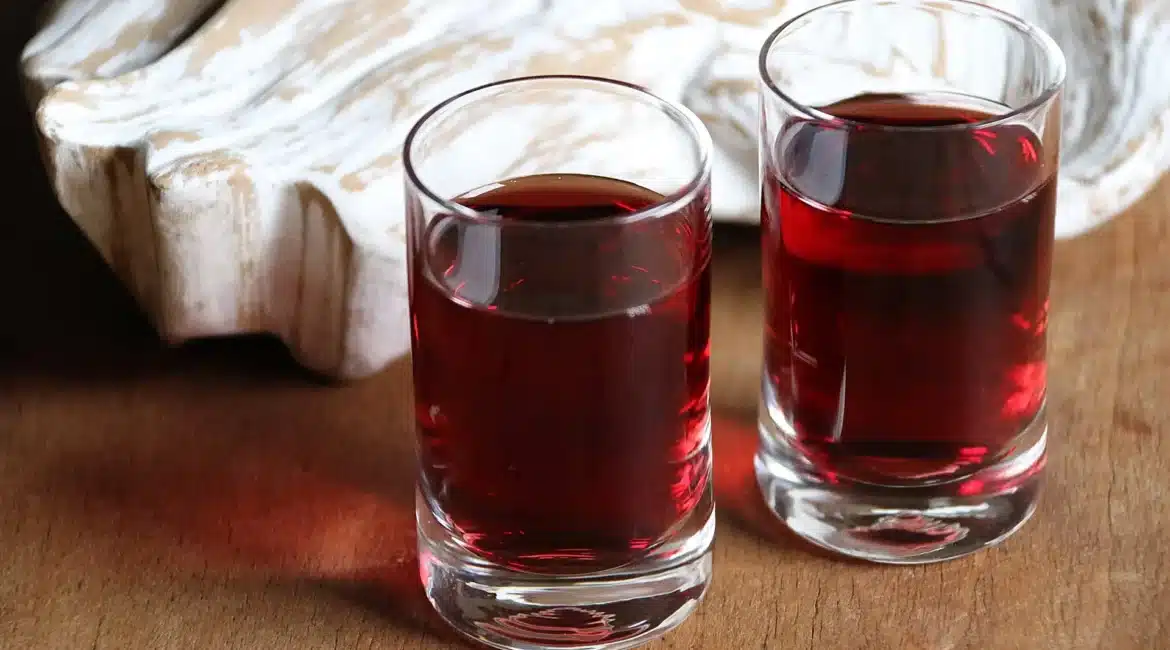
The national drink of Slovenia is Schnapps, a broad category of distilled alcoholic beverages, usually fruit brandies. In Slovenia, Schnapps often refers to various fruit-based spirits, with Slivovka being a particularly cherished variety. Slivovka is a type of plum Schnapps, known for its robust flavor and cultural importance. Both drinks embody the essence of Slovenia’s rich agricultural heritage and play a significant role in social and celebratory rituals.
Historical Significance of Schnapps in Slovenia
The tradition of distilling Schnapps in Slovenia dates back centuries, believed to have been introduced by German settlers with their fruit distillation techniques. Over time, Slovenians adapted these methods, creating unique Schnapps varieties that showcase local fruits.
Schnapps has historically been important for social gatherings and cultural ceremonies. Families would make homemade Schnapps during harvest festivals to celebrate their labor, strengthening the community’s connection to the land and symbolizing gratitude and abundance.
During the Austro-Hungarian Empire, Schnapps gained popularity, leading to the establishment of local distilleries known for high-quality spirits. Today, many of these distilleries continue to thrive, preserving traditional methods while embracing modern techniques, ensuring Schnapps remains a staple at celebrations, holidays, and family gatherings in Slovenia.
The Drinking Culture in Slovenia
Slovenia boasts a vibrant drinking culture that is both social and celebratory. Sharing a drink is often seen as a gesture of friendship and hospitality. Whether at festive events, family gatherings, or casual social occasions, drinking is an integral part of Slovenian life. The locals typically enjoy their drinks in moderation, focusing on the social aspect of sharing a beverage rather than excessive consumption. This communal approach highlights the importance of togetherness and celebration in Slovenian culture.
In Slovenia, drinking is deeply embedded in social interactions. It is not uncommon to see friends and family gathering in local taverns or “gostilnas” to share a few drinks and stories. These establishments often serve locally produced Schnapps and other traditional beverages. The atmosphere in these settings is usually warm and inviting, encouraging camaraderie and the forging of new friendships.
 Best Times to Enjoy Schnapps and Slivovka
Both Schnapps and Slivovka are versatile drinks, enjoyed in various settings and occasions:
- Festivals and Holidays: These drinks are staples during national holidays and local festivals, where they are enjoyed alongside traditional Slovenian music and dance. During events like the Grape Harvest Festival, Schnapps, and Slivovka flow freely, symbolizing the fruit of the year’s labor.
- Weddings and Family Celebrations: Schnapps and Slivovka are often served at weddings, anniversaries, and birthdays, playing a central role in toasting and celebration rituals. The drinks are used to mark significant life events and transitions, providing a sense of continuity and tradition.
- Hospitality: In Slovenian homes, offering Schnapps or Slivovka to guests is a customary practice, reflecting warmth and hospitality. It is a way of welcoming guests and making them feel at home. The host will typically pour a glass of Schnapps as soon as a guest arrives, starting the visit on a convivial note.
Best Food Pairings with Schnapps and Slivovka
The rich, fruity flavors of Schnapps and Slivovka pair exceptionally well with a variety of Slovenian dishes:
- Cured Meats and Sausages: The bold tastes of these spirits enhance the flavors of cured meats, a common element in Slovenian cuisine. Traditional delicacies like kranjska klobasa (Carniolan sausage) and various dried hams are perfect companions.
- Cheese: Aged cheeses, particularly those with a strong flavor, are a perfect match for the intense notes of fruit brandies. Local cheeses such as Tolminc or Bovec complement the robustness of Schnapps and Slivovka.
- Desserts: Traditional Slovenian desserts like potica (a rolled pastry filled with nuts) and strudel complement these drinks beautifully. The sweetness of the desserts balances the strong, fruity notes of the spirits, creating a harmonious pairing.
Creative Uses of Schnapps and Slivovka
Beyond traditional consumption, Schnapps and Slivovka find innovative uses:
- Cocktails: Mixologists craft cocktails that highlight the rich flavors of these spirits, adding a Slovenian twist to classic recipes.
- Culinary Applications: Chefs incorporate Schnapps into sauces, marinades, and desserts, enhancing dishes with fruity notes.
- Gifts and Souvenirs: Locals often gift Schnapps, making it a popular choice for visitors to take home a taste of Slovenia.
The Art of Preparing Schnapps and Slivovka
The preparation of Schnapps and Slivovka is an art that combines traditional methods with modern techniques:
- Harvesting Fruits: The journey begins with the careful selection and harvesting of ripe fruits, typically in late summer. The quality of the fruit is paramount, as it directly affects the flavor of the final product. Plums for Slivovka are chosen for their ripeness and sweetness.
- Fermentation: The fruits are crushed, and the juice is left to ferment for several weeks. This natural fermentation process converts the sugars in the fruits into alcohol. Fermentation tanks are often kept at a controlled temperature to ensure the optimal development of flavors.
- Distillation: The fermented fruit juice is distilled in copper stills, a crucial step that determines the purity and strength of the brandy. The distillation process is carefully monitored to capture the essence of the fruit while eliminating impurities.
- Aging: After distillation, the spirits are aged in wooden barrels, often oak, which imparts additional flavors and smoothness to the final product. The aging process can vary, with some premium Schnapps and Slivovka aged for several years. The interaction between the spirit and the wood enriches the drink, adding complexity and depth.
- Bottling: Once aged to perfection, the spirits are bottled and ready for consumption. Each bottle of Schnapps or Slivovka is a testament to the craftsmanship and tradition that went into its making.
What is the Most Popular Drink in Slovenia?
While Schnapps and its variety, Slivovka, hold the titles of the national drinks, wine is arguably the most popular drink in Slovenia. The country’s rich winemaking heritage, with its three distinct wine-growing regions—Podravje, Posavje, and Primorska—produces a variety of high-quality wines that are celebrated both locally and internationally.
Slovenia’s wine culture dates back centuries, and the country is home to some of the oldest vineyards in the world. Wine is an integral part of Slovenian gastronomy and is enjoyed with meals, during celebrations, and at social gatherings. The diverse terroirs of Slovenia’s wine regions produce a wide range of wines, from crisp whites to robust reds, catering to all tastes.
Conclusion
Schnapps, and particularly Slivovka, the national drinks of Slovenia, are more than just beverages; they are symbols of the country’s rich cultural heritage and communal spirit. Whether enjoyed during festive occasions, family gatherings, or as gestures of hospitality, these spirits hold a special place in the hearts of Slovenians. Their robust flavors, paired with traditional Slovenian foods, offer a true taste of the country’s unique culinary landscape. By understanding the significance of Schnapps and Slivovka and their roles in Slovenian life, one can truly appreciate the depth and warmth of Slovenian culture. So, raise a glass of Schnapps or Slivovka and toast to the rich heritage of Slovenia—Na zdravje!
Slovenia’s national drinks, Schnapps and Slivovka, encapsulate the essence of the country’s traditions, agriculture, and social customs. They are not just drinks but are integral to the Slovenian way of life, enhancing celebrations and everyday moments alike. Whether you are visiting Slovenia or exploring its culture from afar, experiencing these beverages offers a delicious and meaningful connection to the heart of this beautiful country.
