
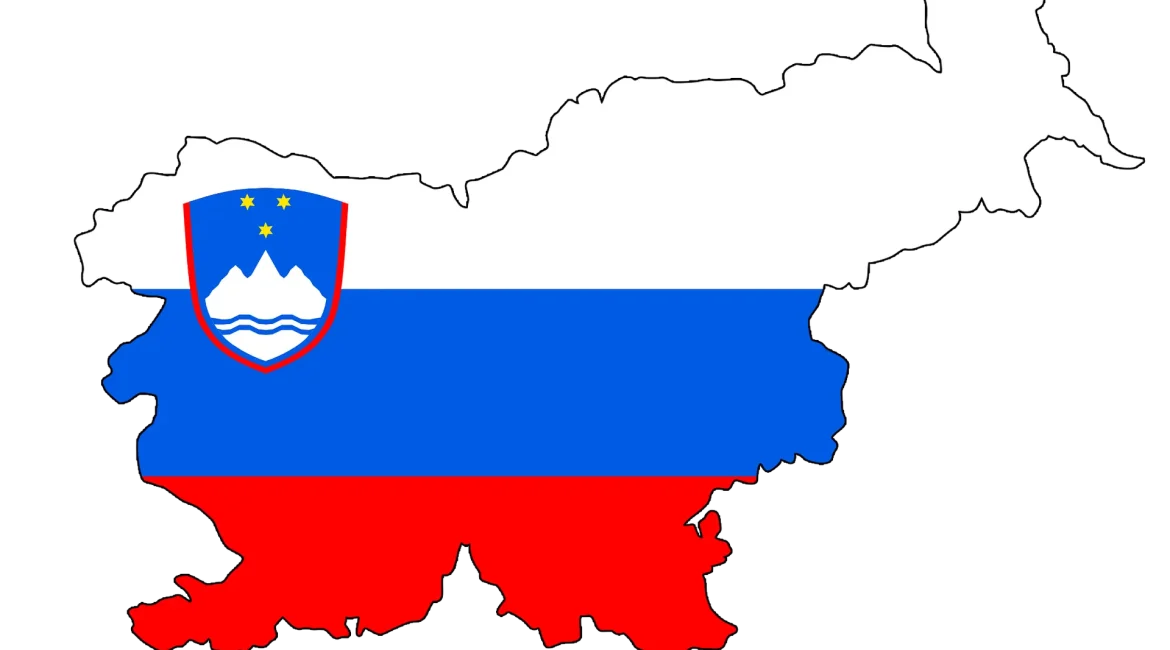
Slovenia, a picturesque country in Central Europe, is renowned for its natural beauty and vibrant cities. Whether you’re considering relocating or simply curious about life in Slovenia, understanding the average salary and cost of living is crucial. This article provides a detailed look at Slovenia’s average salary, cost of living, and practical tips on how Slovenians manage their finances, especially in the capital city of Ljubljana.
Slovenia’s Average Salary: What to Expect
As of the most recent data, the average gross salary in Slovenia is approximately €2,500 per month. After accounting for taxes and social contributions, the average net salary is about €1,600 to €1,800 per month. This average salary varies depending on factors such as industry, experience, and education level.
Minimum Salary in Slovenia
To ensure a basic standard of living, Slovenia has set a minimum gross salary at around €1,350 per month. This minimum wage is regularly reviewed to keep pace with inflation and changes in living costs, providing workers with a safety net.
Is Slovenia Cheap to Live In?
Overall, Slovenia’s cost of living is relatively moderate compared to other European nations. Ljubljana, the capital, does have higher living costs, but other Slovenian cities and rural areas are more affordable. In Ljubljana, monthly expenses typically range from €1,200 to €2,000, depending on lifestyle and housing choices.
When compared to major European capitals like Paris or London, Slovenia’s living costs are lower, although they can be higher than in some Eastern European countries. This reflects Slovenia’s growing economy and improved quality of life.
Average Wealth in Slovenia
The average wealth in Slovenia is shaped by several economic factors, including real estate values and savings. Many Slovenians own property, which contributes significantly to their personal wealth. The average net wealth per adult in Slovenia is approximately €70,000, though this varies based on location, age, and financial habits. In Ljubljana, where property prices are higher, average wealth levels may be somewhat elevated compared to other regions.
How Can the Average Slovene Afford to Live Well in Ljubljana?
Living in Ljubljana offers numerous benefits, including a high quality of life, excellent public services, and a vibrant cultural scene. However, the cost of living is higher than in other Slovenian areas. Here are some strategies that Slovenians use to manage their finances in the capital:
Shared Housing: Many residents choose to share apartments or houses with roommates to reduce rental costs. This is common among students and young professionals.
Public Transportation: Ljubljana’s efficient public transportation system helps keep commuting costs low and is a popular choice for many residents.
Local Shopping: Buying from local markets and grocery stores can help manage food expenses. Seasonal produce and local goods are often more affordable than imported items.
Balanced Dining: While dining out is popular, many Slovenians balance this with home-cooked meals. There are also numerous affordable dining options in Ljubljana.
Government Assistance: Slovenia offers various forms of social support and subsidies, such as housing assistance and family benefits, which can help manage living costs.
Practical Tips for Managing Finances in Slovenia
If you’re planning to move to Slovenia or are already living there, consider these tips for managing your finances effectively:
Understand the Tax System: Get familiar with Slovenia’s tax system and social contributions to plan your finances accurately and avoid surprises.
Budget for Healthcare: Slovenia’s healthcare system is robust, but budgeting for additional health-related expenses or private health insurance is wise.
Save and Invest: Explore savings and investment opportunities available in Slovenia. Real estate is popular, but other investment options may also be beneficial.
Stay Updated: Keep informed about economic changes, such as adjustments to the minimum wage and cost of living, as these can impact your financial situation.
 Conclusion
Understanding Slovenia’s average salary and the cost of living is essential for anyone considering moving to or working in the country. Slovenia offers a moderate cost of living, with more affordable options outside of Ljubljana. By managing finances carefully, leveraging local resources, and making informed decisions, both locals and newcomers can enjoy a comfortable lifestyle in Slovenia. With these insights, you’re better prepared to navigate the financial aspects of living in this beautiful and welcoming country.
