Slovenia Statehood Day, celebrated annually on June 25, is a significant national holiday marking Slovenia’s journey to independence and the establishment of its sovereignty. This day not only honors the country’s transition into a fully independent nation but also reflects the rich history and cultural heritage of Slovenia. This article delves into how Statehood Day is celebrated in Slovenia, the historical milestones leading up to it, and the broader context of Slovenia’s independence and statehood.
How is Statehood Day Celebrated in Slovenia?
Statehood Day, or “Dan državnosti” in Slovenian, is observed with a mix of formal ceremonies and local celebrations. The day begins with a state ceremony held at the Presidential Palace in Ljubljana, the capital city. Here, high-ranking officials including the President of Slovenia and other dignitaries gather to deliver speeches, honor national heroes, and celebrate the achievements of the Slovenian state.
Local festivities also play a significant role in Statehood Day celebrations. Across the country, towns and villages host various events, including cultural performances, music concerts, and parades. Traditional Slovenian dishes are often featured in community gatherings, offering a taste of local cuisine and fostering a sense of national pride.
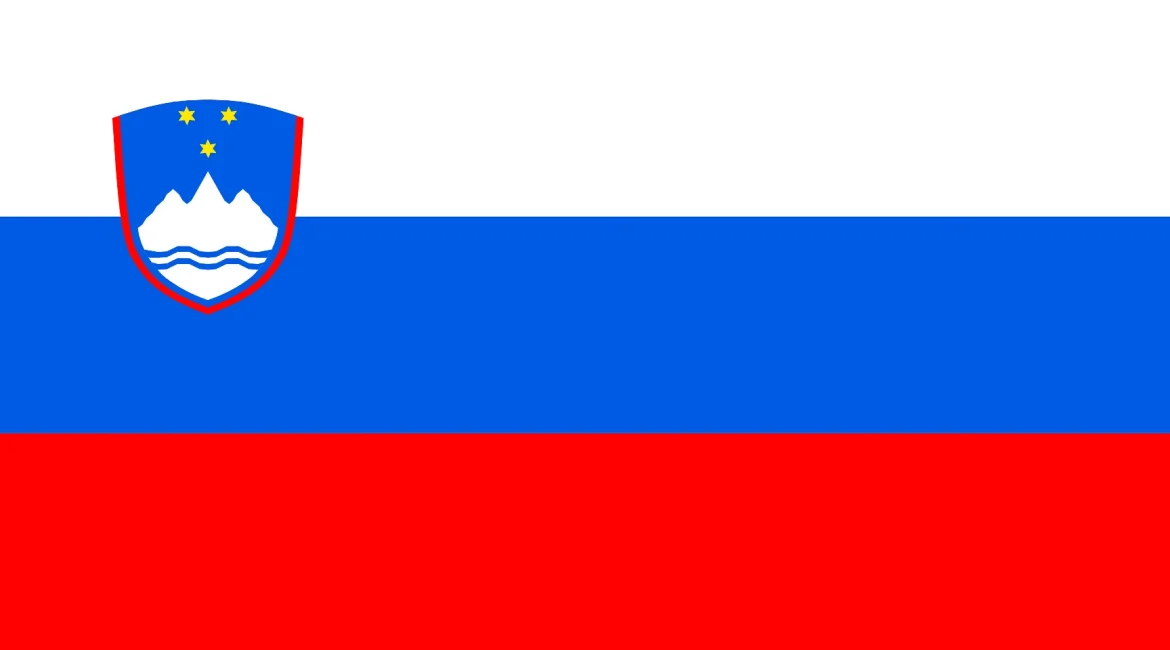
Public displays of the Slovenian flag are common, and many citizens use the day to reflect on their national identity and the progress Slovenia has made since its declaration of independence. Schools and educational institutions often engage in special activities to educate younger generations about the importance of Statehood Day and the country’s history.
When Did Slovenia Come into Existence?
Slovenia’s path to statehood began long before the official declaration of independence. The region that is now Slovenia has been inhabited since prehistoric times, and throughout history, it has been part of various states and empires. However, the modern state of Slovenia came into formal existence on June 25, 1991, following the declaration of independence from Yugoslavia.
When Did Slovenia Declare Independence?
Slovenia declared its independence from the Socialist Federal Republic of Yugoslavia on June 25, 1991. This pivotal moment followed a period of increasing national sentiment and political unrest within the former Yugoslavia. The declaration of independence marked the beginning of Slovenia’s journey as a sovereign state, which was a result of growing demands for greater autonomy and self-determination among the Slovenian people.
The declaration was not without conflict. It led to a brief but intense period of armed conflict known as the Ten-Day War. During this conflict, Slovenian forces fought against the Yugoslav People’s Army, resulting in a significant loss of life and property. Despite this, Slovenia’s determination to become an independent nation remained resolute.
Does Slovenia Have an Independence Day?
While Statehood Day on June 25 is often associated with Slovenia’s independence, it is distinct from the concept of an “Independence Day” in some other countries. In Slovenia, Statehood Day commemorates the day the country formally declared its independence from Yugoslavia, but it is also a broader celebration of the nation’s sovereignty and statehood.
Slovenia’s independence is a source of immense pride for its citizens, and Statehood Day serves as a reminder of the country’s journey to self-determination and its ongoing efforts to build a stable and prosperous nation. The holiday reflects the values of democracy, freedom, and national unity that are central to Slovenian identity.
Was Slovenia in a War?
Yes, Slovenia experienced armed conflict during its path to independence. The Ten-Day War, also known as the Slovenian War of Independence, occurred in the summer of 1991. Following the declaration of independence on June 25, tensions escalated between Slovenian forces and the Yugoslav People’s Army (JNA).
The conflict, which lasted from June 27 to July 7, was relatively brief but intense. It involved a series of clashes and skirmishes, leading to several casualties and considerable damage to infrastructure. Despite the challenges, Slovenia managed to assert its independence and secure international recognition.
The war had significant repercussions for Slovenia and the region. It marked the beginning of the breakup of Yugoslavia, leading to a series of conflicts and the eventual creation of several independent states. Slovenia’s successful assertion of independence was a crucial step in the larger process of Yugoslavia’s dissolution.
Conclusion
Slovenia Statehood Day is more than just a national holiday; it is a celebration of the country’s journey to independence, its rich cultural heritage, and its achievements as a sovereign state. From the formal ceremonies in Ljubljana to the local festivities across the country, Statehood Day provides a unique opportunity for Slovenians to reflect on their history and celebrate their national identity.
The declaration of independence on June 25, 1991, was a defining moment in Slovenian history, marking the beginning of a new chapter for the nation. The subsequent Ten-Day War was a challenging period, but it underscored Slovenia’s determination and resilience.
As Slovenia continues to thrive and grow, Statehood Day remains a powerful reminder of the nation’s progress and its commitment to democracy and independence. Through celebrations and reflections on this important day, Slovenians honor their past and look forward to a bright future.
