Slovenia, a small country in Central Europe celebrated for its natural beauty, rich history, and friendly locals, is the focus of this General Article. If you’re gearing up for a trip to Slovenia, questions about water costs, currency, and tap water safety may cross your mind. Fret not, as we delve into these essentials and more to assist you in planning your visit to this captivating destination.
Water is a basic necessity of life, and many travelers may be wondering whether they need to pay for it in Slovenia. The good news is that tap water is safe to drink in Slovenia, and it is generally free of charge. This means that you can fill up your water bottle at a public drinking fountain or ask for a glass of tap water at a restaurant without having to worry about paying for it.
When it comes to currency, Slovenia uses the euro as its official currency. This means that if you’re traveling from another country in the Eurozone, you won’t need to worry about exchanging your money. However, if you’re coming from a country that uses a different currency, you’ll need to exchange your money for euros before you arrive in Slovenia. Many businesses in Slovenia do accept credit cards, but it’s always a good idea to have some cash on hand just in case.
Key Takeaways
- Water is generally free in Slovenia, and tap water is safe to drink.
- Slovenia uses the euro as its official currency.
- It’s a good idea to have some cash on hand when traveling in Slovenia, as many businesses still prefer cash payments.
Water in Slovenia
Is Water Free in Slovenia?
In Slovenia, the right to drinking water is enshrined in the Constitution. Therefore, tap water is generally free for domestic use. However, there might be small charges for water usage in some commercial establishments.
Is Slovenia Tap Water Drinkable?
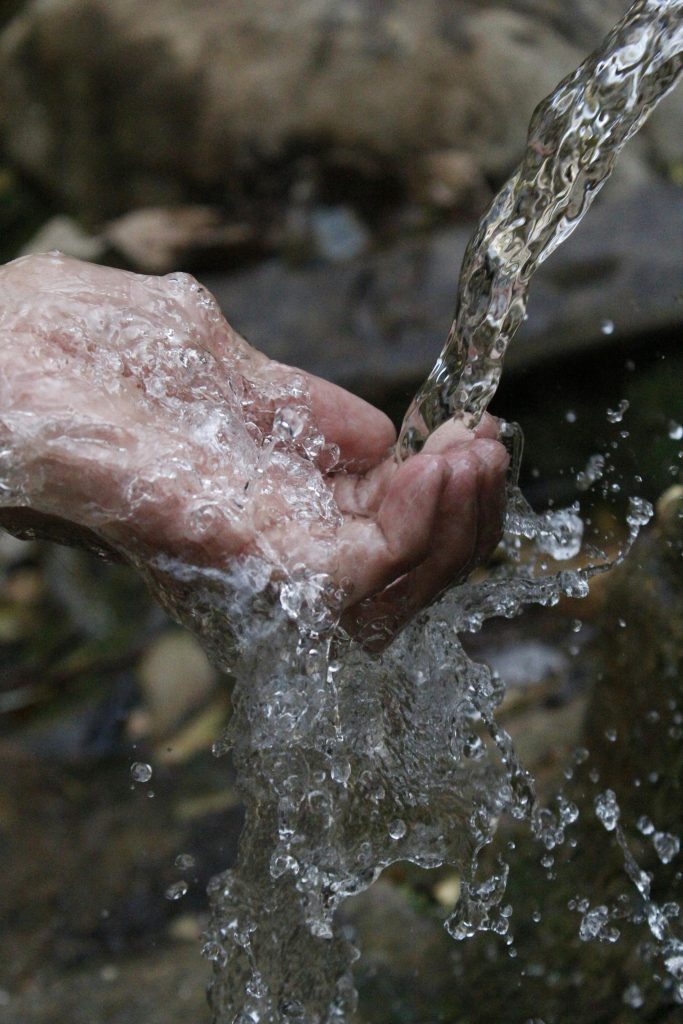
Image from: Pexels.com
According to Plug Travel Guide, tap water in Slovenia is generally safe to drink, and the water supply is well-regulated by the government. The water treatment process includes several stages, such as filtration, disinfection, and distribution through a network of pipes. In general, tap water in Slovenia is of high quality and meets the European Union standards for drinking water.
It is worth noting that some rural areas in Slovenia might have issues with water quality due to agricultural activities. Therefore, it is advisable to check with the locals or authorities before drinking tap water in such areas.
Overall, tap water in Slovenia is safe and drinkable, making it a convenient and cost-effective option for travelers.
Currency and Economy
image from: Pexels.com
Does Slovenia Use the Euro?
Yes, Slovenia uses the euro as its official currency. The country adopted the euro on 1 January 2007, replacing the Slovenian tolar. As an EU member state, Slovenia is one of 19 countries in the eurozone that have adopted the euro. Visitors to Slovenia can use euros to settle all financial obligations in the country, including paying for goods, services, taxes, and debts. No other currency is officially accepted in Slovenia.
Is Slovenia a Rich or Poor Country?
Slovenia is considered a developed country with a high-income economy. According to the World Bank, Slovenia has a gross domestic product (GDP) per capita of $26,197 in 2020. The country has a well-developed infrastructure, a highly educated workforce, and a strong focus on innovation. However, like many other countries, Slovenia has been affected by economic challenges in recent years, including high levels of public debt and low economic growth.
What is the Average Salary in Slovenia?
According to the Statistical Office of the Republic of Slovenia, the average gross monthly earnings in Slovenia in November 2021 were €1,967.64. However, it is important to note that the average salary can vary depending on the industry, location, and experience level. In general, salaries in Slovenia are lower than in some other European countries, but the cost of living is also relatively lower.
Overall, this General Article emphasizes that Slovenia is a relatively affordable destination for visitors, offering reasonable prices for food, accommodation, and transportation. Nevertheless, the cost of living may fluctuate based on the location and season. Therefore, tourists, following the advice provided in this general article, should budget accordingly and conduct thorough research on prices before embarking on their journey to Slovenia.
Tourism and Living
https://www.pexels.com/search/slovenia/
Are Slovenian People Friendly?
Slovenians are known for being friendly and welcoming to tourists. They are generally polite, helpful, and speak English well. Slovenians are proud of their country and culture, and are happy to share it with visitors. It is common to strike up a conversation with locals, whether it be at a café or on a hiking trail.
Is it Cheap to Visit Slovenia?
Compared to other European countries, Slovenia is relatively affordable. Prices vary depending on the season and location, but in general, travelers can expect to spend less than they would in neighboring countries such as Italy or Austria. Accommodation, food, and transportation are all reasonably priced, making Slovenia an attractive destination for budget-conscious travelers.
How Much Money Do You Need Per Day in Slovenia?
The amount of money you need per day in Slovenia will depend on your travel style and budget. On average, travelers can expect to spend around €50-€100 per day, including accommodation, food, and transportation. However, this can vary depending on the season, location, and activities you choose to do. It is always a good idea to have some extra cash on hand for unexpected expenses or emergencies.
In this general article, Slovenia is a friendly and affordable destination for travelers. With its stunning natural beauty, rich culture, and welcoming locals, it is no wonder that Slovenia has become an increasingly popular destination in recent years.
Natural Attractions
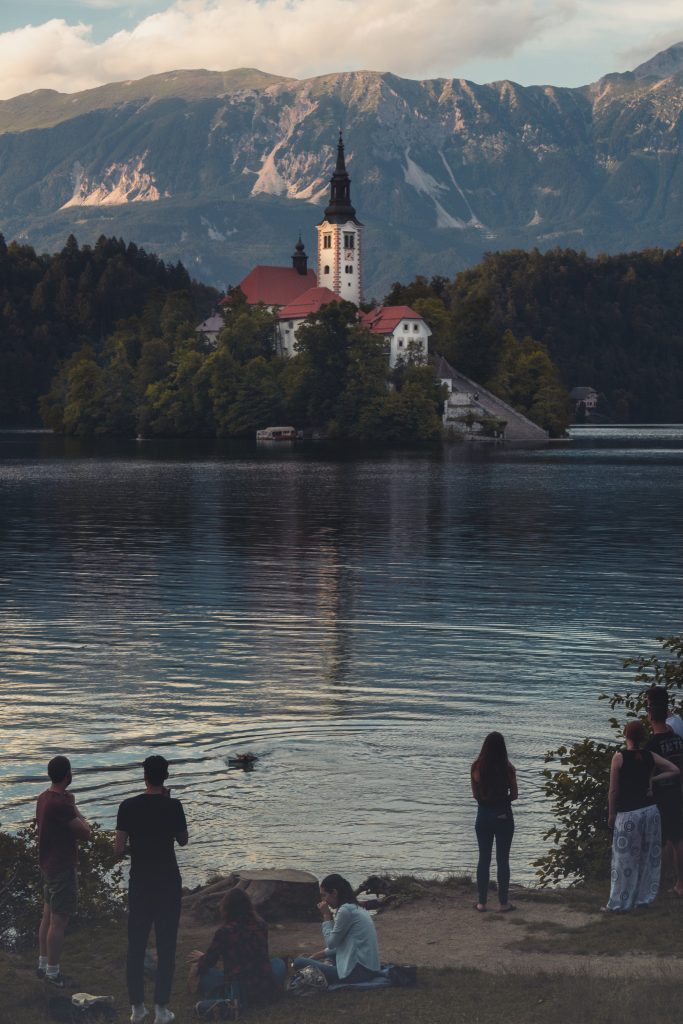
Slovenia is a country of stunning natural beauty with many natural attractions to explore. Visitors can enjoy the country’s emerald rivers, breathtaking mountain peaks, extensive forests, mysterious Karst, and nearby vineyards, and the Pannonian Plain.
Can You Swim in the Sea in Slovenia?
Yes, you can swim in the sea in Slovenia. The country has a small coastline along the Adriatic Sea, which is about 46 km long. The sea is generally clean and safe for swimming, with many beautiful beaches to choose from. Some of the most popular beaches include Portorož, Piran, and Ankaran. Visitors can enjoy swimming, sunbathing, and a variety of water sports activities.
However, it’s important to note that the water temperature in the Adriatic Sea can be quite cold, especially in the early summer months. Visitors should also be aware of the strong currents and waves that can occur, especially during storms. It’s always a good idea to check the weather conditions and the local beach regulations before going for a swim.
Overall, Slovenia offers a unique and memorable experience for nature lovers, with its many natural attractions and breathtaking scenery.
Frequently Asked Questions
Is Slovenia tap water drinkable?
Yes, Slovenia has some of the cleanest tap water in the world. According to I Feel Slovenia, the country is among the richest in Europe in terms of water resources, and its water quality ranks at the very top of developed countries. Many Slovenian towns have drinking fountains for public use.
Does Slovenia use the euro?
Yes, Slovenia uses the euro as its official currency. Visitors can use euros in Slovenia without any issue.
Are Slovenian people friendly?
Slovenians are generally friendly and welcoming to visitors. They are known for being polite, helpful, and hospitable. However, like in any other country, there may be some exceptions.
Is it cheap to visit Slovenia?
Compared to other European countries, Slovenia is relatively affordable. The cost of living is lower than that of many Western European countries. However, prices may vary depending on the season, location, and type of accommodation.
What is the average salary in Slovenia?
As of 2021, the average salary in Slovenia is around 1,700 euros per month, according to Trading Economics. However, salaries may vary depending on the profession, qualifications, and experience.
How much money do you need per day in Slovenia?
The amount of money needed per day in Slovenia depends on the individual’s travel style and budget. On average, a budget traveler can expect to spend around 30-50 euros per day, while a mid-range traveler may spend around 70-100 euros per day. However, prices may vary depending on the season, location, and type of accommodation.
Wrap- Up!
Overall, this General Article reveals Slovenia as a beautiful country with friendly people and affordable prices. Visitors can enjoy tap water for free, which is drinkable and of high quality. The country, a member of the European Union, uses the euro as its currency, simplifying transactions for tourists during their stay.
Slovenia stands out as a prosperous country with a high standard of living, boasting an average salary of around €1,600 per month. To make the most of their experience, visitors are advised to budget around €50-100 per day, depending on their travel style and activities.
For those seeking seaside delights, tourists can relish the opportunity to swim in the sea in Slovenia, courtesy of the country’s small but picturesque coastline along the Adriatic Sea. The well-maintained beaches make it a popular destination, particularly during the summer months.
In essence, this General Article highlights Slovenia as a prime destination for travelers seeking a harmonious blend of natural beauty, friendly locals, and affordable prices.
Related Posts:
